
Masonry Contractor in Hampton, VA - Repairs That Match Your Brick
K&R Newport News Concrete & Masonry is a masonry contractor based in Newport News that repoints, repairs and builds brick, block and stone work on Hampton homes, from crumbling mortar joints and tired chimneys to new walls and walkways.
- Licensed and fully insured.
- Free quotes on site.
- Expect a reply within 1 business day.
Hampton homes and the brick work they need
Hampton sits right next door to our base in Newport News, so it's a short drive for us. The calls we get here are the ones I know best: mortar joints going sandy on an older brick house, a chimney dropping bits of mortar onto the roof, and front steps that have cracked and pulled away from the porch.
The houses run from older brick homes to newer ones on block foundations, and a fair number sit close to the water. Old brick is usually softer than new brick, so on an older house we match the mortar to the wall instead of using the hardest mix we can buy. Mortar that's harder than the brick around it makes the brick crack instead of the joint, and a brick is a lot harder to replace than a joint is to repoint.
Masonry services we offer in Hampton
Foundation repair
Stair-step cracks or a corner that's dropped on a Hampton house usually mean the foundation moved, so we find the cause before we rebuild any block.
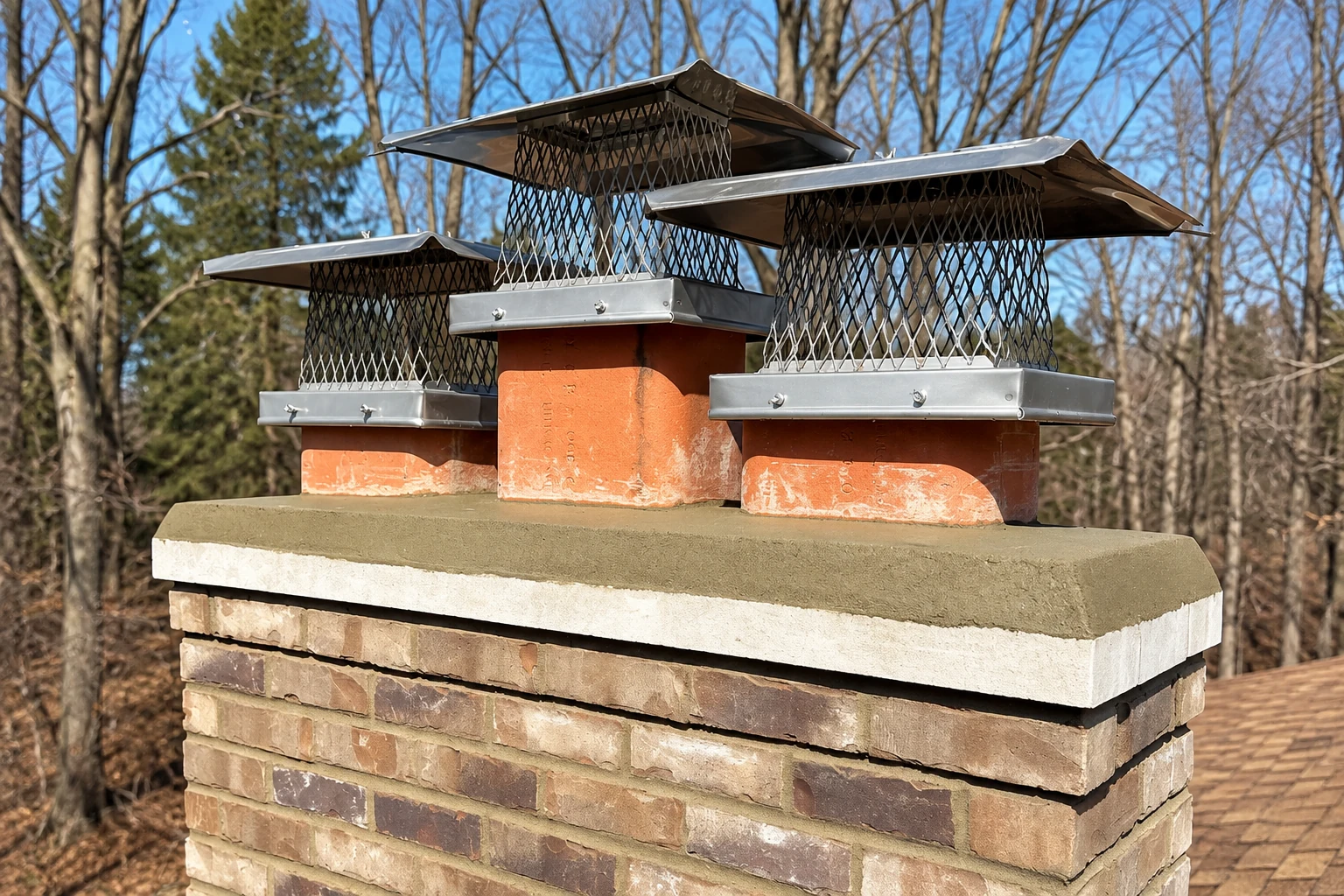
Chimney repair
A chimney with loose bricks, a cracked top cap or washed-out joints lets water into the house, so we rebuild what's needed until it sheds rain again.
Tuckpointing
On older brick fronts where the joints look sandy or sit back from the brick, we grind out the worn mortar and pack in new mortar matched to the old.
Brick repair
Cracked, flaking or loose bricks on a step, sill or wall get cut out and replaced with brick matched as closely as we can find to what's already there.
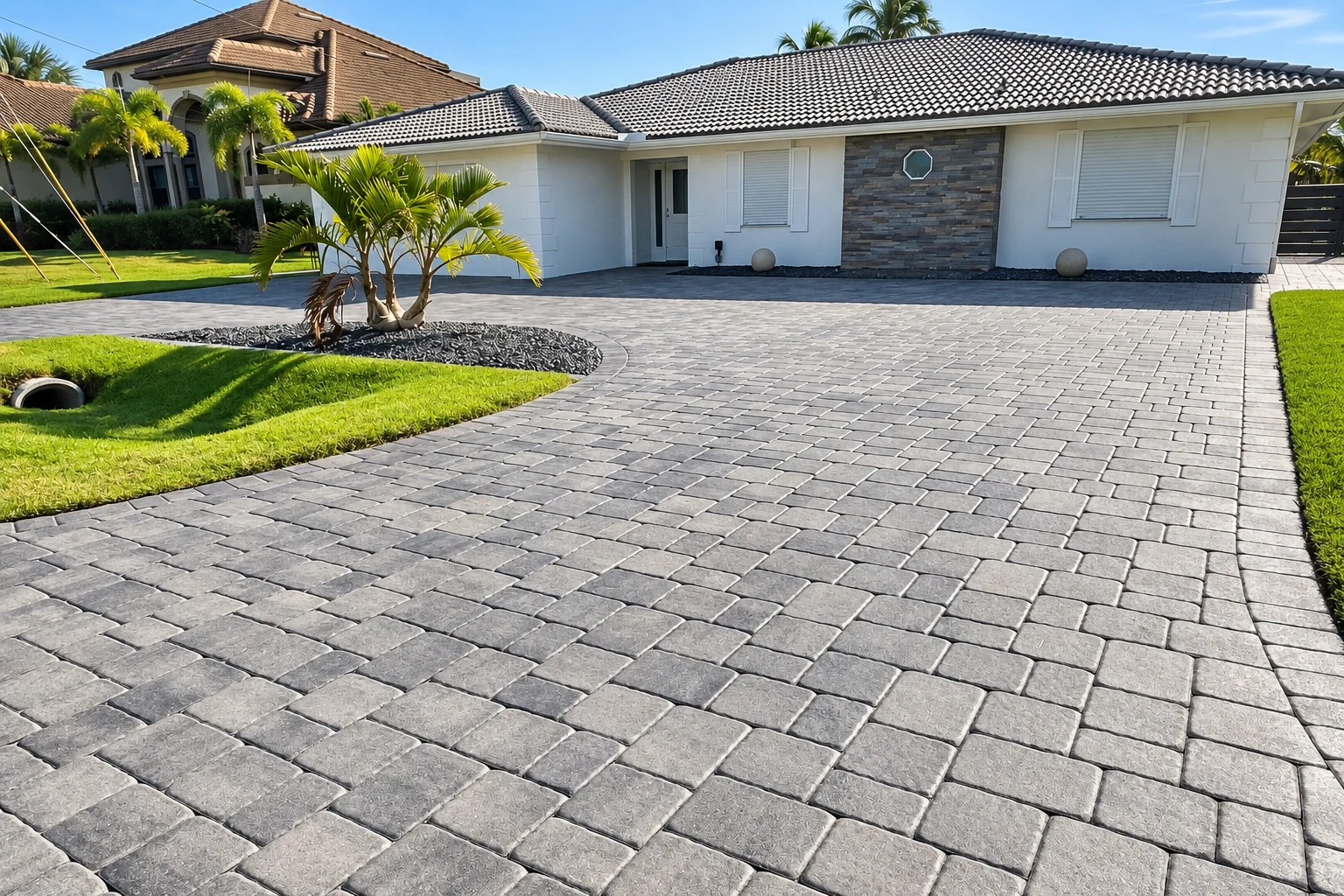
Driveway pavers
A paver driveway works well on a Hampton lot because single pavers can be lifted and reset if a spot settles, instead of breaking out a whole slab.
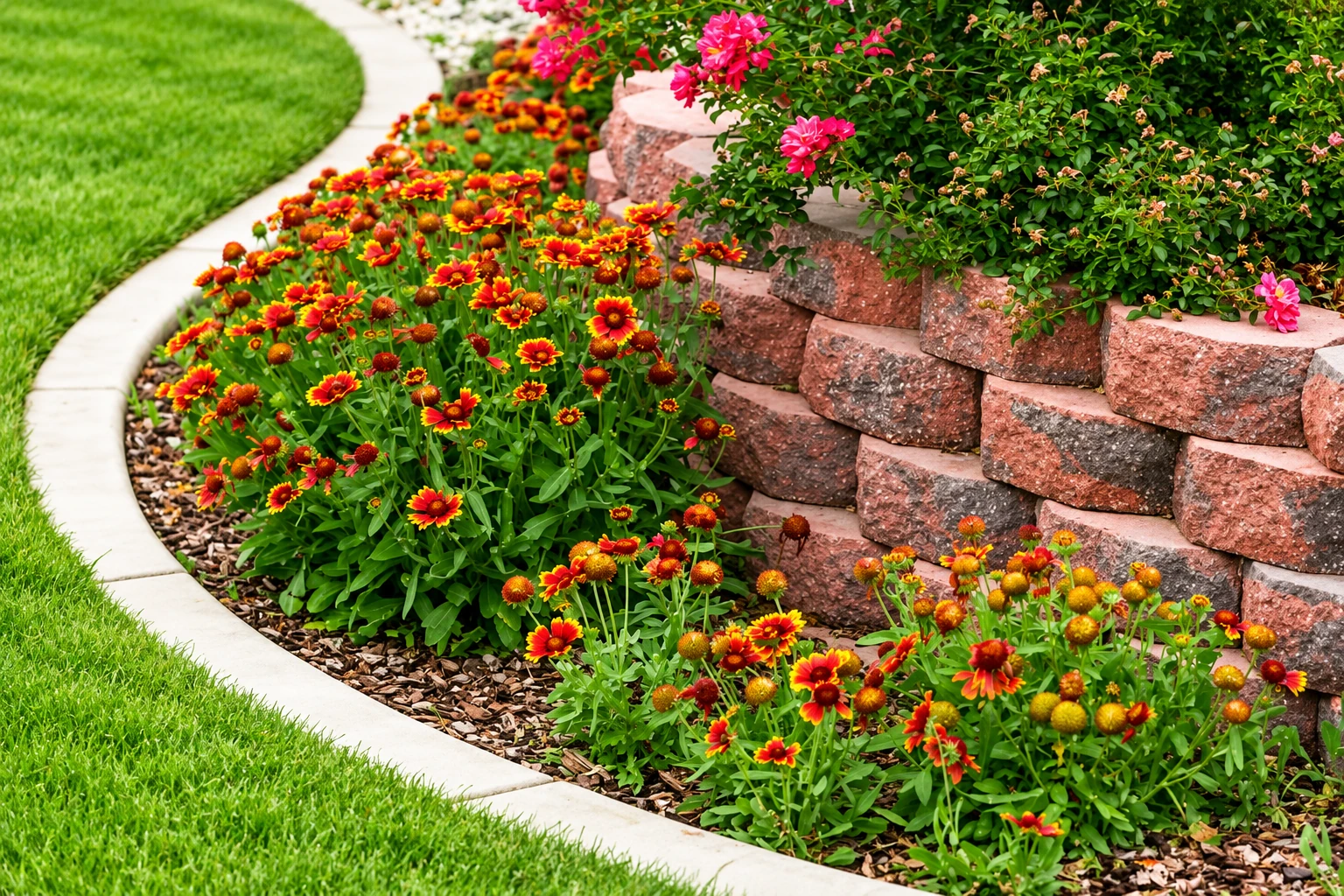
Retaining wall construction
Where a yard slopes toward the house, we build a block or stone retaining wall with drainage behind it so water has somewhere to go besides the wall.
Masonry restoration
For an older Hampton home with years of patchwork on it, we clean, repoint and repair the brick so the repairs suit the wall instead of fighting it.
Fireplace installation
We build masonry fireplaces inside the house and out in the yard, laid out to suit your room or patio, and I walk you through the plan before we start.
Stone veneer installation
Stone veneer, a thin layer of real or cast stone set over a wall, dresses up a plain foundation, porch base or chimney without a full stone build.
Concrete block walls
Block walls for garden edges, privacy or a utility area go up on a poured footing, the concrete strip under the wall, so they stay straight and plumb.
Foundation block wall installation
For an addition or a rebuilt section of foundation, we lay block walls to the plan, with the reinforcement the design calls for and the inspections it needs.
Outdoor kitchen masonry
We build the block base, counters and brick or stone facing for an outdoor kitchen, sized around your grill and the way you actually use the yard.
Walkway construction
A brick, paver or stone walkway from the driveway to the front door gets a packed base and a slight pitch, so rain runs off instead of puddling.
Brick wall installation
A new brick garden or boundary wall goes up with brick and mortar picked to sit right next to your house, on a footing sized for the wall.
Stone masonry
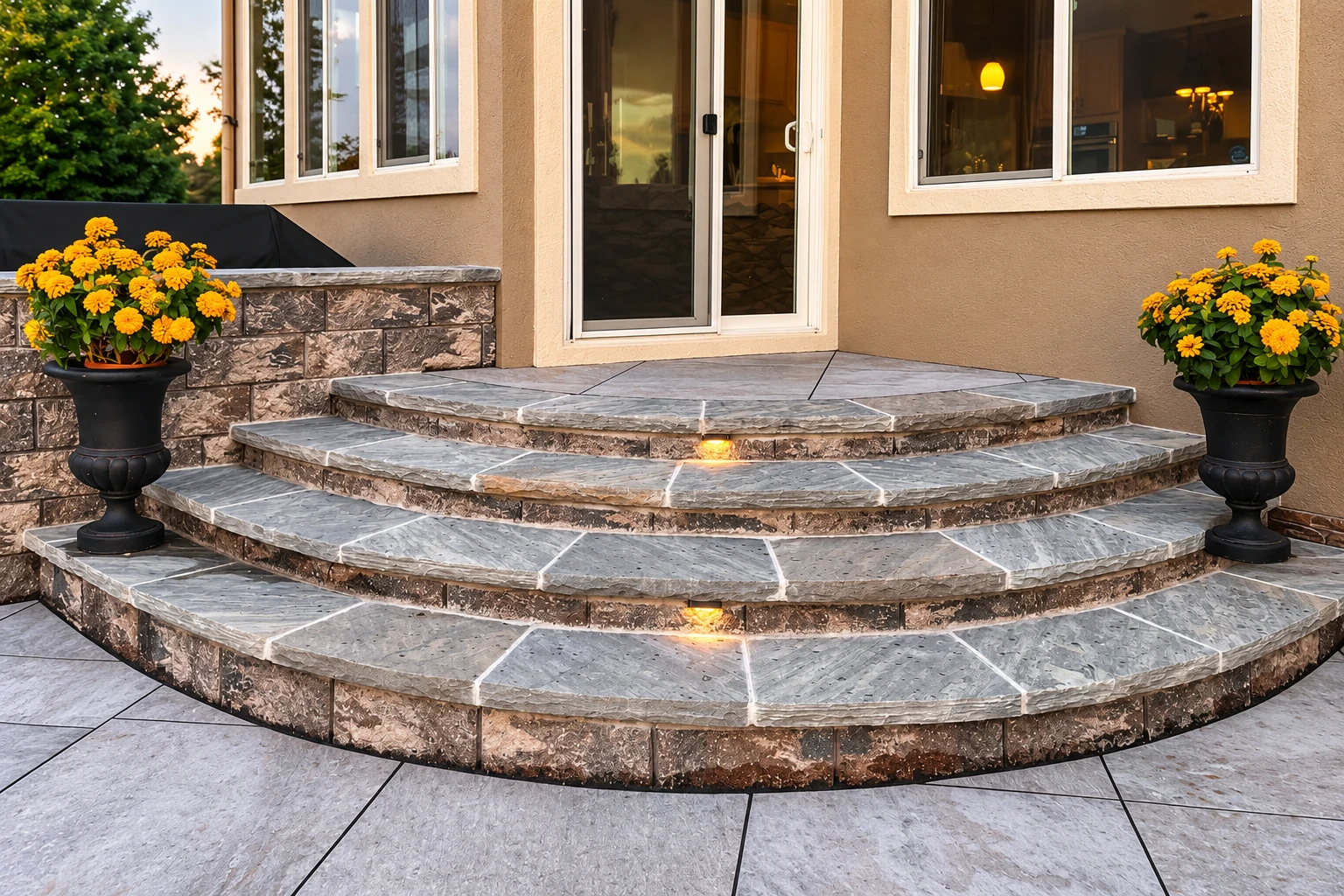
We lay natural stone for steps, wall caps, borders and freestanding walls, fitting each piece by hand so the joints stay tight and the face looks settled.
Brick pointing
When only a few joints have cracked or dropped out, pointing them early with matched mortar keeps water out of the wall before it needs a bigger repair.
Get a free masonry estimate for your Hampton home
Send the form and we'll reply within one business day to set a time. I'll come out, look at the job with you and write up a free estimate, with no obligation to go ahead.
(757) 782-8614- Based in
- Newport News, VA 23606
- Hours
- Mon–Fri: 6 AM–10 PM, Sat–Sun: 8 AM–10 PM
Permits and licenses for masonry work in Hampton
Permits here go through the city's Development Services Center, and whether your job needs one is the city's call, not ours. Its permit list names additions, sheds, decks and fences rather than masonry repair, so we ask before we schedule, and any review the city wants comes before we start. When you compare contractors, ask for two things: a contractor license from Virginia's Board for Contractors, whose class limits how large a contract a business can take and whose specialty sets the kind of work, and a Hampton business license from the city's Commissioner of the Revenue, which a business needs before it works in the city. We're licensed and fully insured.
We handle the permit paperwork when a job calls for it, and if your house is near the water I flag it on the first visit so any Bay or floodplain review can happen first. The price mostly moves with how much mortar or brick has to come out, how high or awkward the spot is to reach, and whether old brick has to be matched, while the schedule mostly turns on any review your address needs, which is why the estimate I write lists the work for your house before it gives you a number. We work the same way next door in Poquoson and across the other cities around Newport News.
Water and age are what wear Hampton masonry
Many Hampton homes take on water in big storms, and nuisance flooding, the smaller floods that come and go, has become more frequent here. Water that sits against a foundation or the bottom rows of a brick wall works into the joints and washes the mortar out, so on houses near the water we look low first, for soft joints, cracked block and steps pulling away, and plan the repair with that water in mind.
Chimneys take the next biggest beating because they stand above the roof with nothing to shelter them. A cracked top cap or open joints up there let water run down inside the brick long before you see a stain on a ceiling, so a chimney is worth a look even when the inside of the house seems fine.
What to expect when you call us in Hampton
Here's how a job runs from your first call to the final walk-through, so you know who you'll see and when you need to be home.
Call us or send the form
We get back to you to set a time for me to come out. Tell us what you've spotted, like crumbling joints or a step that's leaning, so I know what to look at first.
I walk the job with you
I come out myself, look at the wall or chimney with you and point out what I see and what's likely causing it. Then I write up the estimate, so you have the work and the price in writing before you decide anything.
Permits and review come first
Once you say go, we check with the permit office for your address and sort out any permit or review the job needs. That review sets the start date, so we schedule the work once it's cleared.
We build, then walk it
I work alongside our masons on the job, and you don't need to be home while we're working outside. At the end we walk it with you so you can see what we did and know what to watch for later.
Questions about masonry work in Hampton
Do I need a permit for a paver driveway or patio in Hampton?
Inside one of Hampton's Chesapeake Bay protection zones you do, and elsewhere the city says a new driveway or patio normally needs one when more than 10,000 square feet of land is disturbed. Those zones reach 200 feet from certain wetlands and waterways, sometimes including ditches that drain to the bay, so a house that doesn't look like it's on the water can still be inside one. We check your address with the city before we dig.
How do I get a building permit in Hampton, VA?
You can apply to the city yourself as the landowner or the owner's agent, or a contractor licensed by the state and the city can apply for you. The city's Online Permit & Inspections Center takes applications, inspection requests, status checks and fees around the clock. When your masonry job needs a permit, we handle that paperwork for you.
Do Hampton floodplain rules affect foundation repair on my house?
They can, because the city requires review and a permit for proposed development in the 100-year floodplain. If the improvements come to half or more of the building's market value, the house has to meet the rules for a new building and may need raising above the 100-year flood level, and a house that's been substantially damaged faces the same rule whatever caused the damage. If your house is in the floodplain, we bring that up with the city before the work is planned.
What do Hampton's Chesapeake Bay rules mean for building a retaining wall?
Inside the city's Resource Protection Area, part of its Chesapeake Bay rules, new land development has to meet the city's criteria for a permitted encroachment or get an exception from the Board of Zoning Appeals. Site plan review there includes mapping where the protected area ends on your lot and a water quality impact assessment, so a wall near a marsh or creek takes more planning than one in a dry backyard. We find that out before we price the wall, not after.
How much does masonry repair cost on a house in Hampton?
Your number comes from the estimate I write after walking the job with you, since the cost follows how much of the wall needs work and how hard it is to reach. Repointing a few joints on a front step is a much smaller job than rebuilding the top of a chimney two stories up, and an older house can take extra time to find brick that matches. Catching worn joints early is usually the cheapest way through.
What causes mortar to crumble on older brick houses in Hampton?
Mostly time and water, because mortar is made to be the softer part of the wall and wears away before the brick does. You'll see joints that look sandy, sit back from the face of the brick or leave grit on the ground below, and repointing them, which means grinding out the worn mortar and packing in new, keeps water out before the bricks start to crack. On houses near the water, I look closest at the bottom few rows.
Newport News, VA
Get your Hampton brick looked at
A few crumbling joints are a small repoint today, but left alone they let water in and loosen the bricks around them, so it pays to have someone look while the job is still small.